


Beyond Good Bones: What It Really Takes to Convert Silicon Valley's Industrial Buildings
Ask most people where the action is in Bay Area commercial real estate and they'll point to the familiar names: Santa Clara, San Jose, the Peninsula. But some of the most important work…
Beyond Good Bones: What It Really Takes to Convert Silicon Valley’s Industrial Buildings
Ask most people where the action is in Bay Area commercial real estate and they’ll point to the familiar names: Santa Clara, San Jose, the Peninsula. But some of the most important work I’m seeing right now is happening inside buildings that have been part of the landscape for decades.
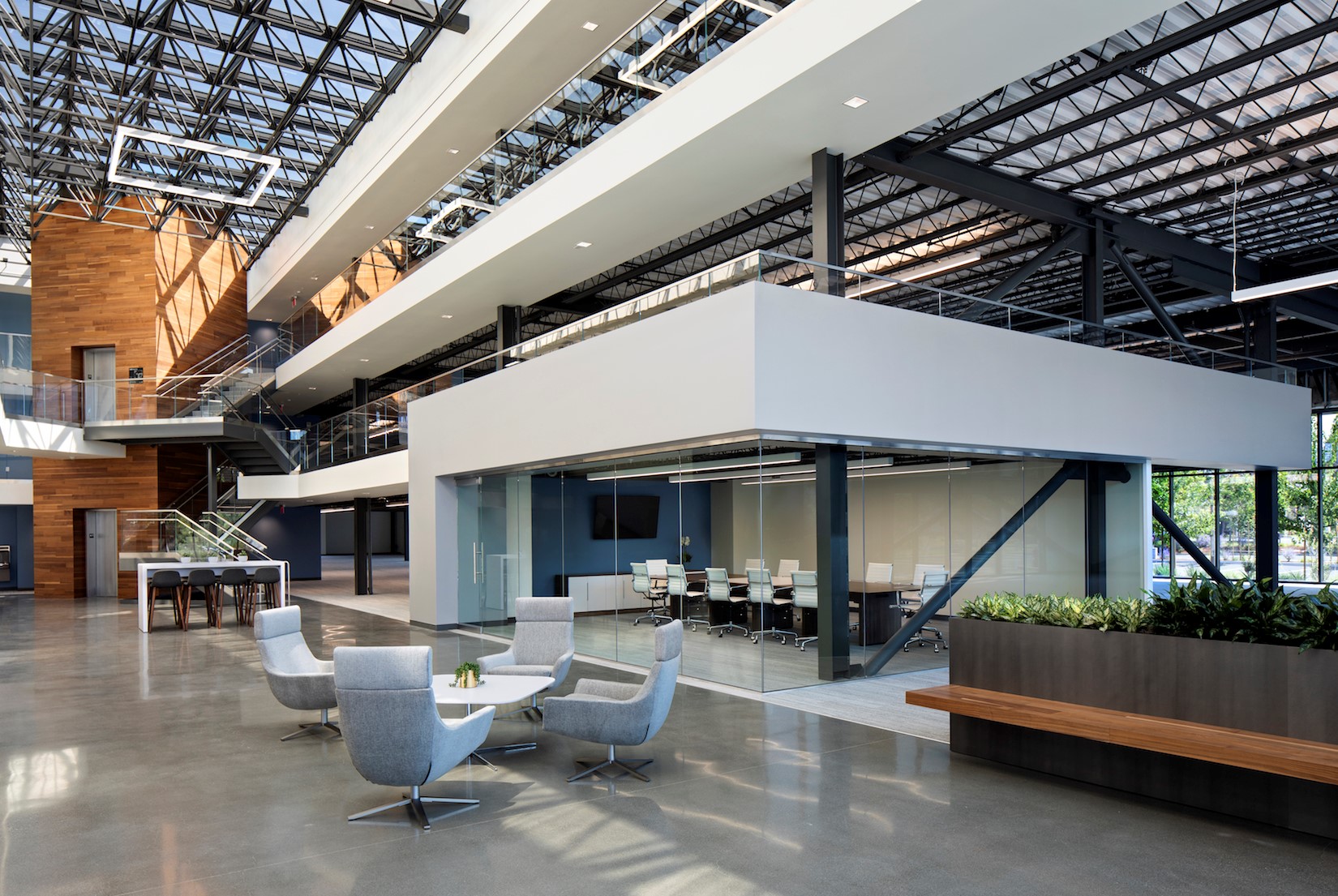
Along the eastern corridor through Fremont and Milpitas sits one of the region’s most established industrial markets: tilt-up buildings that have housed R&D, manufacturing, technology and distribution users for generations. That corridor is experiencing renewed investment, and it reflects a broader shift across the Bay Area as owners and end users look at existing industrial and R&D buildings with fresh eyes.
A new generation of users
Advanced manufacturing is growing. Companies need lab, rack and AI-related space, often at a smaller scale than a hyperscale campus. Corporate users are moving into industrial buildings that suit their operations better than traditional office. From the Peninsula down through South San Jose and Morgan Hill, existing buildings are being repositioned for what comes next.
The data backs this up. Silicon Valley’s R&D market ended the second quarter of 2026 with an 11.7% vacancy rate, according to Kidder Mathews, yet leasing volume jumped 36.4% from the prior quarter to 1.1 million square feet. Fremont ranked second in the region for net absorption, behind Sunnyvale. One of the quarter’s largest deals, Etched AI’s 100,000-square-foot lease in Milpitas, was for a high-capacity R&D and manufacturing facility with significant power infrastructure. That is exactly the profile of building this market is chasing.
For many owners and end users, adaptive reuse has become one of the most compelling development strategies available, alongside ground-up construction rather than instead of it. Each has its place. The right answer depends on the user, the site and, increasingly, the time to occupancy.
Power is often the deciding factor
Nearly every conversation in this market comes back to power. The grid is constrained, and new capacity takes time. PG&E reports that its data center demand pipeline alone has grown to 10 gigawatts, and most of the projects furthest along are in San Jose, Silicon Valley and the greater Bay Area. In Santa Clara, Fortune reported data center projects sitting empty while they wait for power, including one that applied for service in 2019 and is still awaiting full energization.
That changes how owners and tenants should evaluate a site. The best building on paper may not be the right building if it can’t be powered on the timeline the business needs. Often, the smarter move is an existing building with a credible path to power.
What actually determines whether a conversion works
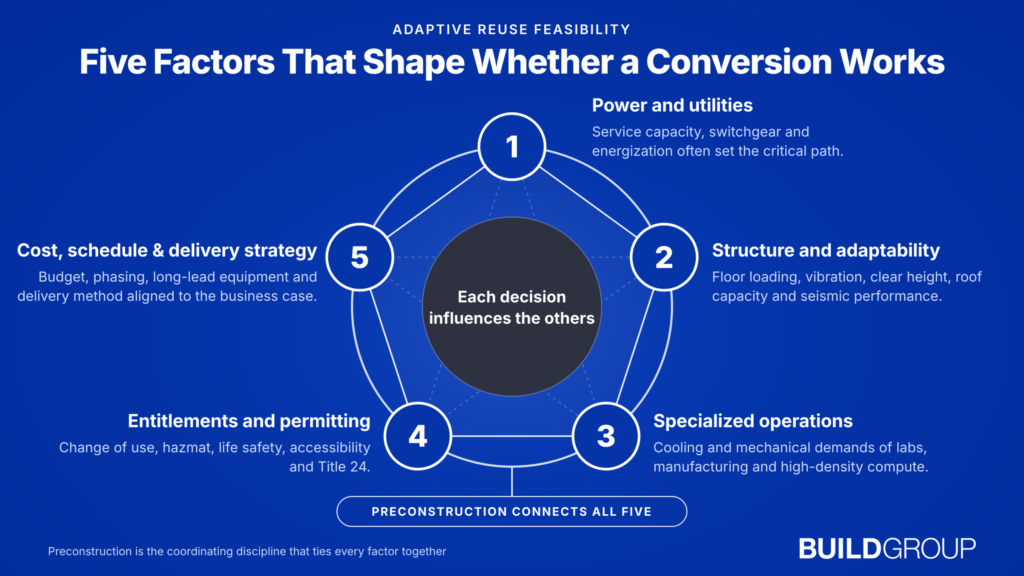
Successful adaptive reuse is not simply about modernizing an older building. It’s about understanding where existing infrastructure, new operational demands, capital investment and time to occupancy intersect. In our experience, five interrelated considerations can determine whether a conversion is feasible:
- Power and utilities. What service capacity exists today, what will the operation need tomorrow, and how quickly can the utility deliver it? Substations, switchgear and energization schedules often set the real critical path. Existing electrical infrastructure can offer an advantage, but only when available capacity, utility requirements and the intended operating load have been properly validated.
- Structure and adaptability. Floor loading, vibration criteria, equipment support, clear heights, roof capacity and seismic performance determine what a building can become, along with its existing conditions and the requirements of the current code cycle.
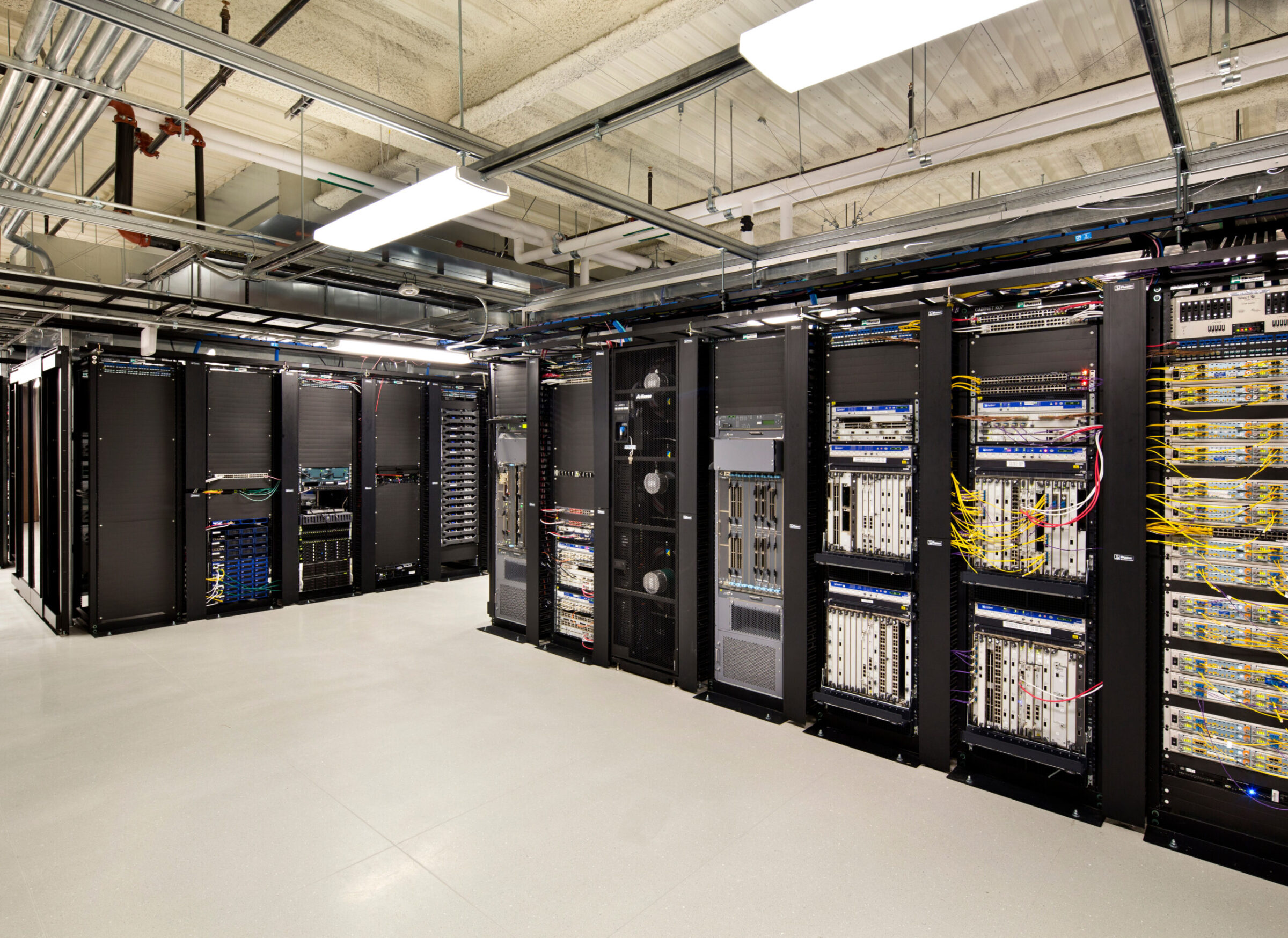
- Specialized operational requirements. Advanced manufacturing, controlled environments, R&D labs and high-density computing each bring their own cooling, mechanical and infrastructure demands.
- Entitlements and permitting. Change of use, hazardous materials, fire and life safety, accessibility, Title 24 and agency approvals can reshape scope and schedule if they aren’t addressed early.
- Cost, schedule and delivery strategy. Budget, phasing, long-lead equipment and the delivery method all have to line up with the business case. Getting them aligned early is what turns an ambitious schedule into an achievable one.
None of these considerations can be evaluated in isolation. Added electrical demand may drive more cooling, structural modifications, utility coordination and permitting review, and each of those carries cost and schedule implications.
This is where early contractor involvement creates real value, and where preconstruction does its most important work. It’s the discipline that connects all five. At Build Group, our preconstruction team works alongside experienced trade partners, in-house technical experts, licensed professionals and our vertically integrated self-perform crews to test these interdependencies before they become costly field problems. The goal is to help owners and end users make informed decisions early, set realistic budgets and schedules, and deliver facilities that perform as intended.
From market interest to executable projects
What encourages me most is the quality of today’s opportunities. We’re seeing renewed activity in qualified projects across manufacturing, industrial, office and repositioning work, backed by owners making serious commitments of capital and planning.
The broader market supports what we’re seeing on the ground. CBRE reports Silicon Valley industrial vacancy at just 4.2% in the second quarter of 2026, with 1.1 million square feet of positive net absorption, and describes fundamentals as strengthening amid robust demand.
Reconciling speed with reality
Many companies want to be first to market, and that urgency is understandable. It’s also where early collaboration matters most. A schedule set before the program, the power path and the permitting strategy are understood is a schedule at risk.
The most valuable thing a builder can offer at that stage is a credible path to delivery. That might mean a phased occupancy strategy, advancing design and authorizing early procurement of critical long-lead equipment, or validating utility capacity and infrastructure requirements before a lease or major capital commitment is final. I believe that’s where a general contractor earns trust: by helping clients reconcile speed-to-market goals with execution realities, then delivering on the plan.
Looking ahead
The South Bay remains the clearest example of this shift, but it isn’t the only one. We’re seeing similar dynamics across Northern California and into the Mountain States, wherever growing users meet constrained power and a ready supply of existing buildings.
I’m optimistic about what’s ahead. We’re carrying real momentum into 2027, and the fundamentals are strong: real vacancy, real demand and a growing number of owners who see the value in giving existing buildings a second life.
The next chapter of growth won’t be defined by new construction alone. Some of its most important advances will happen inside existing buildings, thoughtfully transformed to support the next generation of technology, manufacturing and innovation.
For those of us responsible for bringing these projects to life, the opportunity isn’t simply to repurpose space. It’s to help owners and end users create the infrastructure their businesses will depend on for years to come.
About Build Group
Build Group is a general contractor, construction manager and design-builder delivering complex projects with precision at scale. Through an integrated team and extensive self-perform capabilities, the company serves clients across multifamily residential, commercial, technology, life science, advanced manufacturing and other mission-critical markets.
Media Contacts
For media inquiries or interview requests, please contact Build Group at press@buildgc.com.
For marketing inquiries, please contact marketing@buildgc.com.